The Benefits of Using Smart Home Technology
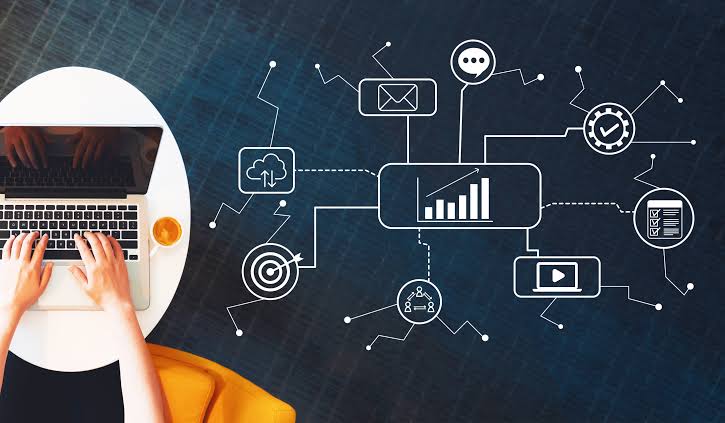
In recent years, the rapid castillo4congress.com advancement of technology has transformed many aspects of daily life, and one of the most significant changes can be seen in how we interact with our living spaces. Smart home technology, once a futuristic concept found only in science fiction, has now become an accessible reality for millions around the world. This innovative integration of devices and systems within homes offers numerous benefits that enhance convenience, security, energy efficiency, and overall quality of life. One of uptonupdates.com the primary advantages of smart home technology is the unparalleled convenience it provides to users. With interconnected devices controlled through smartphones or voice commands, everyday tasks become simpler and more efficient. For instance, homeowners can adjust lighting, temperature settings, or even lock doors remotely without needing to be physically present. This level of control is particularly beneficial for busy individuals who want to manage their household environment seamlessly while on the go. Moreover, automation features allow certain routines to be scheduled; lights can turn on at dusk automatically or coffee makers can start brewing before waking up in the morning. Such conveniences save time and effort while contributing to a more comfortable lifestyle. Another critical benefit lies in enhanced security measures offered by smart home systems. Traditional security setups often rely on alarms triggered by break-ins or suspicious activity after it occurs; however, modern smart homes provide proactive protection through real-time monitoring and timkennedypaintings.net alerts. Smart cameras equipped with motion detection can notify homeowners instantly if unusual movement is detected outside their property. Additionally, doorbell cameras allow residents to see who is at their door without opening it-a feature that adds an extra layer of safety against potential threats such as package theft or theegyptreport.com unwanted visitors. Integration with smartphone apps means users can respond immediately by contacting authorities if necessary or remotely locking doors when they forget upon leaving home. Energy efficiency is another area where smart home technology excels remarkably well. By optimizing resource usage based on actual needs rather than manual adjustments alone, smart thermostats and lighting systems contribute significantly toward reducing utility bills while promoting environmental sustainability. These intelligent devices learn user preferences over time and adapt accordingly-for example adjusting heating levels when selmamarchon.com no one is detected at home or themanifoldmag.net dimming lights during daylight hours-thus minimizing unnecessary consumption without sacrificing comfort standards indoors. Furthermore, some advanced setups incorporate solar panel management tools that monitor energy production versus usage patterns enabling better utilization of renewable resources which ultimately lowers carbon footprints associated with traditional electricity generation methods. Beyond individual benefits related scorpionhollywood.com directly to convenience or cost savings lies a broader societal impact stemming from widespread adoption of smart homes: improved accessibility for elderly people and those with disabilities becomes achievable through assistive technologies integrated into these systems. Voice-activated assistants help users control appliances effortlessly even if physical mobility is limited due to age-related conditions like arthritis or paralysis caused by injury; this fosters greater independence among vulnerable populations reducing reliance upon caregivers for routine activities such as turning off lights after bedtime or adjusting room temperatures throughout different times during day cycles thereby enhancing dignity along with quality-of-life outcomes. shardofapathy.com Smart home ecosystems also encourage healthier living environments through air quality monitoring sensors capable detecting pollutants like dust particles volatile organic compounds (VOCs), humidity levels etc., alerting occupants about potential hazards so corrective actions may be taken promptly including ventilation improvements using connected exhaust fans ensuring optimal indoor conditions conducive towards respiratory health especially important for families having children suffering from celebritymoviequotes.com asthma allergies chronic respiratory illnesses making these technologies invaluable additions within residential settings aimed at wellness promotion alongside technological innovation. The integration capabilities between various brands’ devices under unified platforms further amplify user experience whereby diverse functionalities converge harmoniously simplifying management interfaces keeping complexity hidden behind intuitive controls accessible via single applications thus avoiding fragmentation issues commonly experienced padstracker.com earlier when multiple standalone gadgets had separate remote controls complicated setup procedures leading sometimes confusion frustration among non-tech-savvy consumers now replaced instead by cohesive interconnectedness fostering ease usability encouraging wider adoption rates continuously expanding market offerings stimulating competitive innovations driving costs down making sophisticated solutions affordable across different income brackets democratizing access beyond affluent early adopters reaching mainstream households globally bridging digital divides narrowing inequalities linked previously lack technological infrastructure availability affordability ensuring inclusive progress benefiting society holistically not just privileged segments alone. Additionally smart homes contribute positively during

Post Comment