The Rapid Growth of Digital Technology and Online Innovation
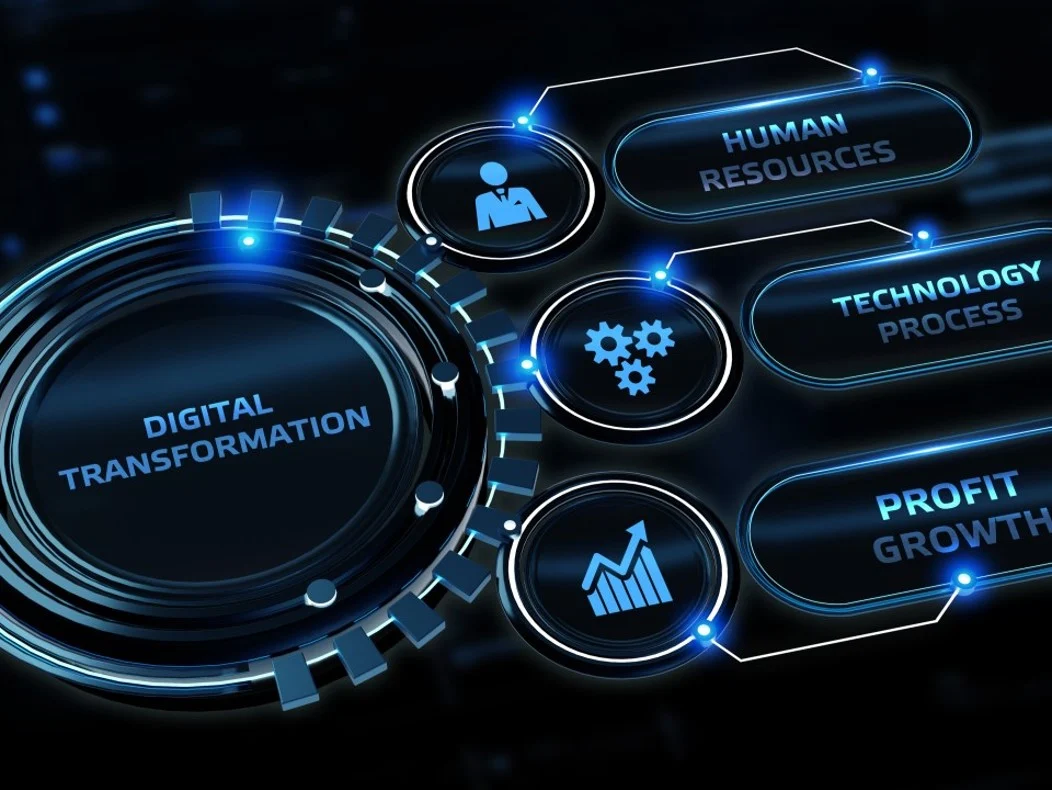
Technology is evolving faster than ever before. Businesses, organizations, and individuals now rely heavily on digital systems for communication, education, entertainment, and online growth. The internet has transformed modern life by making information and services available instantly from almost anywhere in the world.
Online business continues growing because more people now depend on websites, smartphones, and digital services for daily activities. Companies that adapt to technology trends often experience better customer engagement and stronger business growth.
Professional websites are one of the most important parts of online success today. Businesses need websites that are fast, secure, mobile-friendly, and easy to use. Good web design improves user experience and builds trust with visitors.
Digital platforms such as xcelwebworks.com show how professional web services support businesses in creating stronger online visibility and modern digital solutions.
Search engine optimization is another important factor for online success. SEO helps websites appear higher in search results, making it easier for users to discover businesses online.
Modern SEO focuses on content quality, technical optimization, internal linking, mobile performance, and user experience. Search engines are becoming smarter every year and now prioritize helpful content over simple keyword stuffing.
Content marketing has also become extremely important. Businesses use blogs, videos, tutorials, and guides to attract audiences and build trust. Helpful content often performs better long term because it provides value to users.
Technology is also improving online education. Students and professionals can now access digital learning materials from anywhere. Educational platforms such as commonwealthgeography.org help users learn online more easily.
Artificial intelligence is one of the most important technology trends today. AI systems are used in customer service, search engines, healthcare, marketing, and automation.
Businesses use AI-powered tools to analyze customer behavior, improve support systems, and automate repetitive tasks. Chatbots and recommendation systems are now common across many industries.
Automation technology saves businesses time and improves productivity. Companies can automate emails, reporting, customer service, and inventory systems.
Cloud computing is another important innovation shaping the future. Businesses use cloud systems to store files securely and allow remote access for teams working from different locations.
Remote work has become much more common because of cloud technology and online collaboration tools. Businesses can now operate more flexibly than before.
Healthcare technology is also advancing rapidly. Online healthcare systems improve communication between patients and professionals. Platforms such as hcaconline.org show how healthcare-related digital communication continues evolving.
Cybersecurity remains one of the biggest concerns in modern technology. Businesses must protect customer information from hackers, malware, and phishing attacks.
Strong passwords, secure hosting, encryption, and regular software updates are important parts of online security today.
The mobile industry continues expanding because smartphones are now essential for communication, entertainment, shopping, and internet browsing. Businesses must optimize websites for mobile users to improve customer experience.
Platforms such as aftermarketcellular.com reflect the importance of mobile technology in modern industries.
Digital marketing continues becoming more advanced every year. Businesses use SEO, social media, email campaigns, influencer marketing, and video content to grow online visibility.
Social media platforms like YouTube, Instagram, Facebook, and LinkedIn help businesses connect directly with audiences and improve brand awareness.
Technology also supports online communities and niche websites. Community-driven platforms allow users to exchange ideas and build discussions online.
Websites such as squeezedonkey.com and thegoodnetguide.com demonstrate how online engagement and niche communities continue growing.
Users now trust authentic conversations and real experiences more than generic promotional content. This is why community-driven content often performs well online.
Creative industries are benefiting from digital platforms too. Artists, designers, and creators can now share their work globally and build audiences through online exposure.
Websites like metalclaymagic.com show how creators use digital technology to reach larger communities and grow their brands.
Technology has also made content creation easier than ever before. People can now create videos, podcasts, blogs, online courses, and graphics using affordable tools and software.
Organizations and advocacy groups use technology to spread awareness and communicate with supporters online. massequalitypac.org demonstrates how digital platforms support advocacy and community engagement.
Niche websites continue attracting online audiences as well. Platforms such as fastestwaytocome.com , wagesofsinisdeath.com, and maddysfishbar.com show how different industries and interests can build visibility online.
Website speed and performance are becoming more important every year. Internet users expect websites to load quickly and function properly across all devices.
Slow websites often lose traffic and rankings because users prefer fast and smooth experiences. Businesses now invest in better hosting systems, caching tools, and optimized images to improve performance.
Artificial intelligence is also changing search engines and online marketing. Search platforms now focus more on user intent, helpful information, and trustworthy content.
Businesses that focus on quality content and positive user experiences often perform better long term than websites using outdated SEO strategies.
Technology will continue shaping the future of communication, business, healthcare, education, and entertainment. Artificial intelligence, virtual reality, blockchain, and automation are expected to become even more advanced in the coming years.
Businesses and individuals who continue learning and adapting to technology trends will likely have stronger opportunities for success.
Digital innovation is now deeply connected to modern life. The internet, cloud systems, AI tools, and online communication platforms continue changing how people live and work every day.
As technology continues evolving, adaptability and innovation will remain essential for long-term growth and online success.




Post Comment